
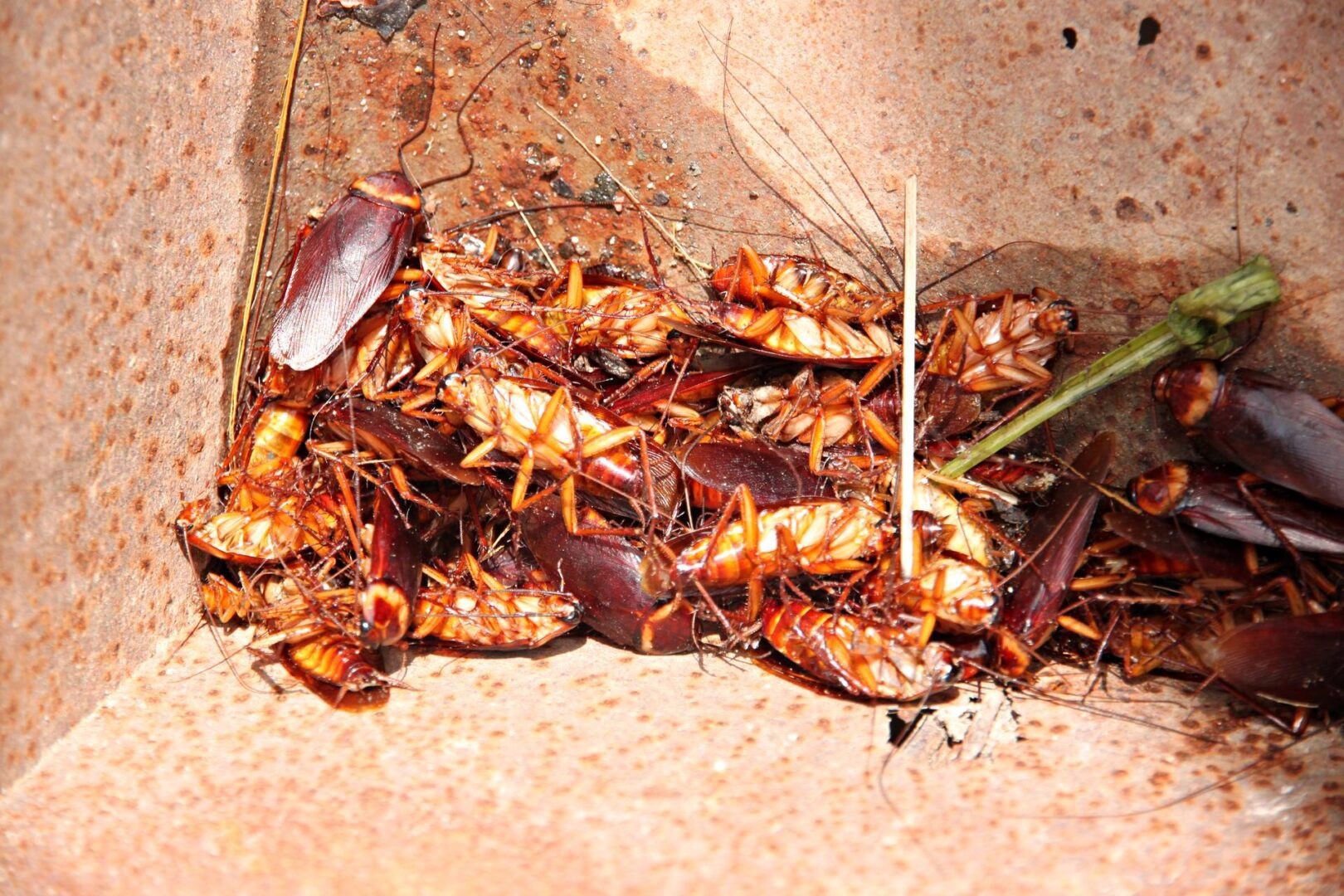
Where American Cockroaches Hide in Homes and Businesses
American cockroaches are one of the most common pest concerns for homeowners and business owners alike. Despite their name, they are found all over the world and have a long history of sharing spaces with people, whether those people want them there or not. These insects are drawn to warmth, moisture, and food sources, which makes the typical home or commercial building an attractive place for them to settle in. Understanding where they tend to hide is one of the most useful things you can do when it comes to keeping your property protected. This guide takes a close look at the most common hiding spots for American cockroaches in both residential and commercial settings, so you know exactly where to pay attention.
American Cockroach Behavior and Why It Matters
Before exploring their favorite hiding spots, it helps to understand a little about how American cockroaches behave. They are nocturnal insects, which means they are most active after dark. During the day, they prefer to stay tucked away in tight, dark, and humid spaces where they feel secure. They tend to avoid open, well-lit areas, which is why many people never actually see one even when an infestation is present.
American cockroaches are also fast movers and can squeeze through surprisingly small gaps and cracks. They are drawn to areas with access to moisture, warmth, and organic material like food debris. These preferences explain a lot about the specific locations where they are most likely to be found, and recognizing those patterns makes it much easier to spot early warning signs of an infestation.
What Draws Them Indoors
American cockroaches typically come indoors when outdoor conditions become too dry, too cold, or when food sources outside become scarce. They enter through gaps around pipes, cracks in foundations, open drains, and spaces under doors. Once inside, they move quickly toward areas that meet their basic needs. Kitchens, bathrooms, and utility areas are among the first places they gravitate toward because these spaces tend to offer both moisture and warmth.
Signs of Their Presence
Even though you may not see cockroaches directly, there are signs that point to their presence. Small dark droppings that resemble ground pepper are a common indicator. You may also notice a musty odor in areas where cockroaches gather in larger numbers. Egg casings, which are brown and capsule-shaped, are another sign to watch for. Spotting any of these signs is a cue to investigate further and consider reaching out to a pest management professional.
Hiding Spots in Residential Homes
Homes offer a wide range of conditions that American cockroaches find appealing. From the kitchen to the basement, there are plenty of places where these insects can settle in without being noticed for quite some time.
Kitchen and Food Preparation Areas
The kitchen is one of the most common areas where American cockroaches take up residence in a home. The combination of food particles, moisture from sinks and appliances, and warmth from cooking equipment creates an ideal environment for them. They tend to hide behind and beneath large appliances like refrigerators, ovens, and dishwashers. The motor compartment at the back of a refrigerator generates heat, making it a particularly attractive spot.
Inside cabinets, especially those beneath the sink, are also popular hiding areas. The plumbing under the sink provides the moisture they seek, and the dark enclosed space offers the kind of shelter they prefer. Cracks along the backs of cabinet interiors, gaps where pipes enter through walls, and spaces beneath cabinet bases are all worth noting as potential harboring areas.
Bathrooms and Laundry Spaces
Bathrooms rank among the most common indoor hiding spots for American cockroaches because of the consistent moisture present in these spaces. They can be found behind and underneath toilets, inside the vanity cabinet beneath sinks, and in the gaps around plumbing fixtures. Bathtub and shower drain areas are especially attractive to them since drains can provide both moisture and a direct connection to sewer systems.
Laundry rooms share similar qualities with bathrooms. The warmth produced by washers and dryers, combined with residual water near hoses and drain connections, makes laundry spaces another area where cockroaches may establish themselves. Gaps behind appliances and along wall edges near water connections are common spots to monitor.
Basements and Crawl Spaces
Basements tend to be cooler and more humid than the rest of a home, which suits American cockroaches well. They gravitate toward dark corners, behind stored boxes or furniture, along floor drains, and near any plumbing that runs through the basement. Utility areas within basements, such as water heater closets or areas with exposed pipes, are especially appealing.
Crawl spaces beneath homes are another prime hiding area. These spaces tend to be undisturbed, dark, and humid, creating a favorable environment for cockroaches to nest and breed. Foundation vents, gaps around pipes that pass through the crawl space floor, and accumulated debris are all features that can support a cockroach population in this area. Much like the way a pest professional addresses issues related to termite control by examining the structural areas of a home, cockroach management also benefits from a thorough inspection of crawl spaces and foundation zones.
Drains and Plumbing Pathways
Drains are one of the most overlooked entry and hiding points for American cockroaches in residential settings. Floor drains in basements and utility rooms, as well as sink and shower drains throughout the home, can serve as both an entry point and a resting spot. The sewer system provides warmth, moisture, and organic material, making it an attractive environment for these insects.
Gaps around pipes where they pass through walls, floors, or ceilings can also serve as pathways that allow cockroaches to move from one area of a home to another. Sealing these areas and ensuring drain covers are properly fitted can make a meaningful difference in limiting their movement.
Hiding Spots in Commercial Buildings
Commercial properties present a different set of conditions compared to homes, but American cockroaches are just as capable of finding suitable hiding spots in these environments. Restaurants, food processing facilities, office buildings, and warehouses all have characteristics that can attract and support cockroach activity.
Restaurant and Food Service Environments
Food service environments are among the most vulnerable commercial settings when it comes to American cockroaches. The constant availability of food, the frequency of deliveries, and the warmth and moisture produced by commercial kitchen equipment create conditions that are highly favorable for these insects. Behind and beneath commercial refrigerators, beneath cooking lines, inside grease traps, around floor drains, and behind wall-mounted equipment are all common areas where they may be found.
Storage areas within restaurants, including dry goods storage rooms and walk-in coolers, should also be on the radar. Cockroaches can access dry goods storage through gaps in walls or floors, and even the cooler area around a walk-in unit can harbor insects if there are cracks or unsealed spaces nearby.
Utility and Mechanical Rooms
Mechanical rooms, boiler rooms, and utility closets in commercial buildings provide the warmth and darkness that American cockroaches prefer. These spaces often contain water heaters, HVAC equipment, and electrical panels, all of which generate heat. The combination of heat with any nearby plumbing creates an environment where cockroaches can thrive with minimal disturbance.
Electrical conduits and plumbing chases that run through walls and floors in commercial buildings also serve as travel corridors for cockroaches. Once they establish themselves in a mechanical area, they can spread to other parts of the building through these pathways, which is why these spaces deserve attention during any pest inspection.
Warehouses and Storage Facilities
Warehouses and storage facilities may not seem like obvious targets for cockroaches, but they offer some valuable qualities from a cockroach’s perspective. Large quantities of stored goods, pallets, cardboard boxes, and organic packaging materials can all provide harborage. Areas near loading docks are particularly vulnerable because the frequent opening of dock doors and the movement of goods from outdoor environments increase the chance of cockroaches being brought inside.
Spaces between racking systems, beneath pallets, and in corners where debris accumulates are worth monitoring in any warehouse environment. Cockroaches can survive on very little, so even a low level of organic debris in a storage area can be enough to sustain them over time.
Office Buildings and Common Areas
While office buildings may not seem like a typical cockroach habitat, they can still support American cockroach activity under the right conditions. Break rooms, cafeterias, and kitchenette areas are the most obvious concern since they involve food preparation and storage. However, cockroaches can also be found in janitor closets, areas around floor drains in restrooms, and in basement or sub-level areas that connect to sewer infrastructure.
Older office buildings with aging plumbing, cracks in foundations, or poorly sealed utility penetrations offer more entry points and harborage opportunities. Regular inspections of high-moisture and food-adjacent areas within office buildings can help catch activity before it becomes a larger issue.
The Role of Outdoor Areas Near Buildings
American cockroaches do not only live indoors. Outdoor environments near homes and businesses can support significant cockroach populations that may eventually make their way inside. Understanding these outdoor harborage areas adds another layer to a comprehensive approach to pest management.
Landscaping and Exterior Features
Mulch beds, leaf litter, woodpiles, and compost areas near the exterior of a building can all serve as outdoor harborage for American cockroaches. These materials retain moisture and offer shelter, which makes them attractive resting and nesting spots. The closer these features are to the building’s foundation, the easier it is for cockroaches to transition indoors.
Tree stumps, decaying wood, and areas beneath outdoor furniture or equipment are also spots worth noting. Any organic material that stays damp and undisturbed for extended periods can become a gathering point for cockroaches before they find their way inside.
Sewer Systems and Storm Drains
American cockroaches have a well-documented association with sewer systems. Municipal sewer lines and storm drains can harbor large populations of these insects, and properties located near access points to these systems face a higher risk of indoor incursions. Cockroaches can travel through sewer pipes and emerge through floor drains, utility connections, and other gaps that connect the sewer system to the interior of a building.
American cockroaches are resourceful insects that have adapted well to living in close proximity to people. Their preference for dark, warm, and moist environments means that kitchens, bathrooms, basements, drains, and crawl spaces are among their most common hiding places in homes, while commercial properties face additional vulnerabilities in food service areas, mechanical rooms, and storage facilities. Being aware of where these insects tend to hide is a valuable first step in keeping any property protected. Whether you are a homeowner keeping an eye on your basement or a business owner monitoring a commercial kitchen, knowing where to look makes all the difference.
Reach out to our team today to learn how we can help you identify and address cockroach activity in your home or business with a thorough, professional inspection.
Frequently Asked Questions
Can American cockroaches come up through toilets or drains?
Yes, American cockroaches can travel through sewer and drain systems and have been known to emerge through floor drains, toilet connections, and other plumbing access points. This is one reason why maintaining properly fitted drain covers and addressing any gaps in plumbing is considered an important part of pest prevention.
Are American cockroaches only a problem in older buildings?
Not at all. While older buildings with more cracks, gaps, and aging infrastructure can offer more entry points, American cockroaches can establish themselves in newer buildings as well. Any property with access to warmth, moisture, and food sources can potentially support cockroach activity regardless of its age.
How long can American cockroaches survive indoors without food?
American cockroaches are hardy insects that can go for extended periods without a regular food source by relying on very small amounts of organic debris. This is part of what makes them persistent once they have entered a building, since even a relatively clean space may still offer enough to sustain them.

Tags: