
What to Do When You See Swarming Termites
Seeing winged insects near your windows or gathered around a light fixture can catch you off guard, especially if you suspect they might be termites. A termite swarm happens when a colony sends out reproductive members to start new colonies nearby, and it’s a sign worth paying attention to rather than brushing aside. It’s a moment that naturally raises questions about what’s happening and whether it’s connected to something bigger inside the home. The good news is that once you spot a swarm, there are a few clear steps you can take to understand what’s happening and figure out what to do next.
Stay Calm and Identify the Swarm
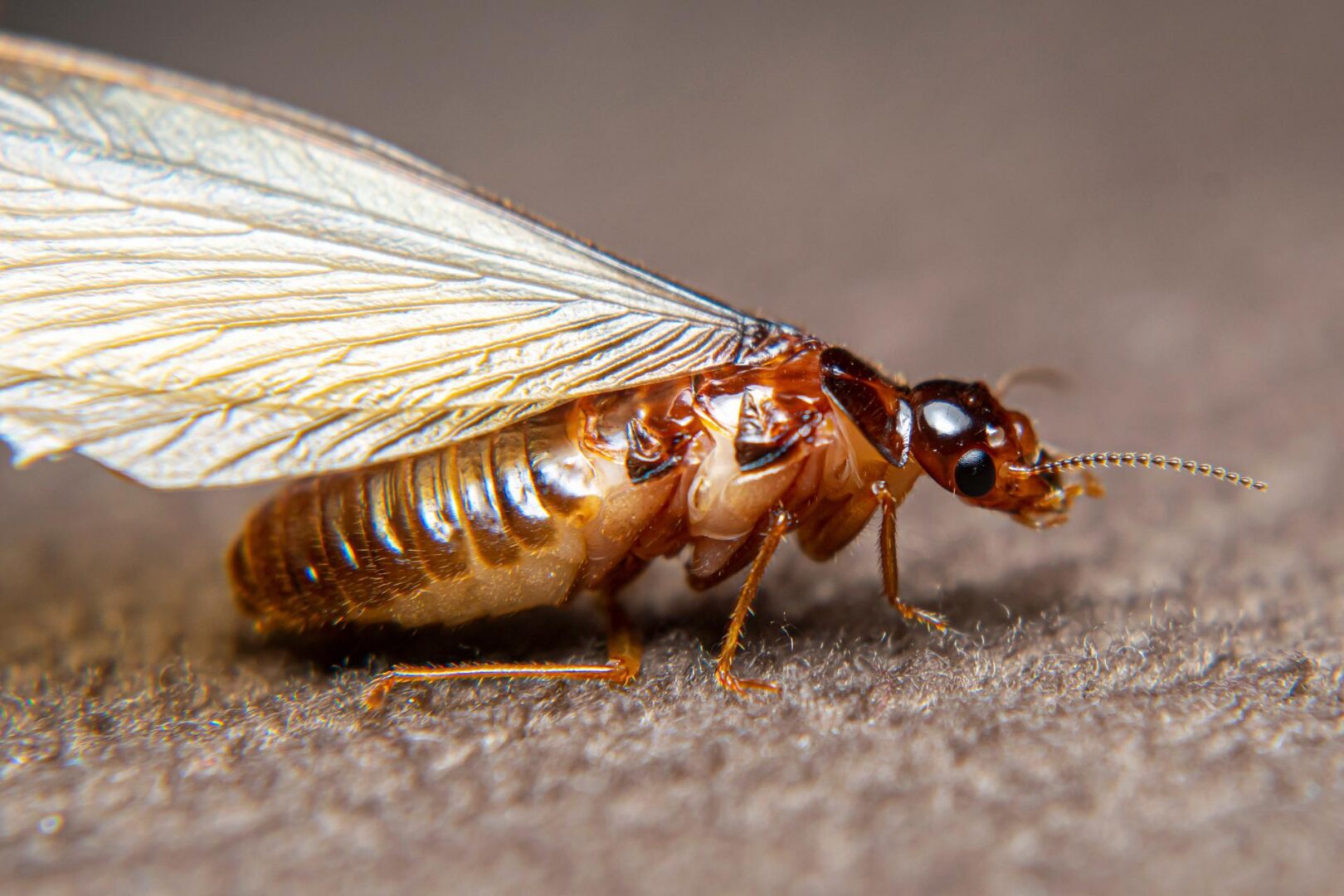
What Termite Swarmers Look Like
Termite swarmers have a fairly distinct look once you know what to search for. They tend to have straight antennae and a thick waist. Their wings come in two pairs that are roughly equal in length, and their bodies often appear darker in color, ranging from black to a deep brown depending on the species.
How They Differ From Other Flying Insects
Other flying insects can sometimes resemble termites at a glance, so it helps to look closely rather than assume right away. The waist and wing shape are usually the easiest details to check, since termites lack the pinched waist you’d find on many other insects.
Taking a moment to observe before reacting can save you some unnecessary worry later. It also helps you describe what you saw more accurately if you end up talking to a professional, since small details tend to matter more than people expect.
Where Swarms Tend to Show Up
Swarms often show up near windows or doorways, drawn in by light that spills indoors. Outdoors, they tend to appear near tree stumps or woodpiles. Areas where soil stays consistently damp can attract them too, so it’s worth keeping that in mind if you spend time in your yard. Knowing these common spots can help you recognize a swarm faster the next time one appears.
Check Where the Swarm Appeared
Common Gathering Spots
Once you’ve spotted a swarm, take a look around the immediate area. Windows and doors often draw swarmers in, since gaps or openings around these spots give them an easy way inside. Light fixtures and crawl spaces are other common gathering points worth checking. Basements and areas with limited airflow can attract swarming activity as well, so it’s worth walking through these spaces if you’re able to access them safely.
Look for Discarded Wings
Discarded wings are another detail worth checking for. Termite swarmers shed their wings shortly after finding a place to settle, so a small pile of wings on a windowsill or floor can be a helpful clue even if the insects themselves are no longer around. This detail is easy to miss during regular cleaning, so it’s worth a second look before sweeping the area.
What the Location Can Tell You
The location of a swarm often tells you more than the swarm itself. A swarm appearing indoors, for example, can point toward activity closer to the structure than a swarm you notice outside near a tree stump. Paying attention to where the swarm shows up can be helpful if you want to figure out what’s going on.
It also helps to think back on whether you’ve noticed anything unusual in that area before. Something as small as a musty smell or a bit of soft wood near a windowsill can add useful context once a professional starts asking questions, even if it seemed unimportant at the time.
Look for Signs of Termite Activity
Visible Indicators Worth Noting
Beyond the swarm itself, a few other signs can point to termite activity nearby. Damaged wood and mud tubes along foundations are two common indicators. Sections of wood that sound hollow when tapped can be another useful clue, and these signs don’t always show up right away.
Why Hidden Damage Is Common
It’s worth keeping in mind that the absence of obvious damage doesn’t necessarily mean there’s no infestation. Termite activity often develops out of sight. It can spread inside walls or beneath flooring long before any visible damage appears, which is one of the main reasons a swarm shouldn’t be dismissed just because everything else around the home looks fine.
Some homeowners feel reassured after checking a few visible areas and finding nothing unusual, but termites are naturally good at staying hidden. A wall can look perfectly normal on the outside while something quite different is happening just beneath the surface, which is part of why a closer look often matters more than it seems at first.
Leave the Area Undisturbed
Avoid Poking Into Walls or Flooring
It can be tempting to start poking around walls or flooring right after spotting a swarm, but this isn’t usually the best first move. Disturbing the area can scatter evidence that would otherwise help identify where the activity is coming from, and it doesn’t actually address the source of the swarm.
Document What You Observed
Instead, it helps to document what you observed. A few photos of the swarm are a good starting point. Capturing the discarded wings or anything else unusual about the area can add helpful detail, and it’s worth photographing both the general location and any close-up details you notice. A quick photo of the surrounding area, not just the insects themselves, can also give useful context later on.
These photos give a pest professional(opens in new tab) something concrete to reference. Rather than relying only on your description, they can look at the images and get a clearer sense of what they’re dealing with before they even arrive. This small step often makes the rest of the process smoother, and it can also help confirm the timeline of what you noticed and when.
Schedule a Professional Inspection
Determine Whether a Colony Is Involved
A termite swarm on its own doesn’t always confirm an active infestation inside your home, which is exactly why an inspection matters. A professional can determine whether the swarm you saw is connected to an established colony or whether it came from somewhere nearby that doesn’t directly involve your structure. This distinction can be hard to make on your own, which is part of why an outside perspective tends to be so useful.
Reaching Areas Homeowners Can’t
Professionals also have the tools and training to check areas that homeowners typically can’t access on their own. Crawl spaces and wall voids are two common examples. Other hidden sections of a home can be just as difficult for a homeowner to evaluate without the right equipment and experience, which is part of why a professional look tends to catch things a homeowner might miss.
This kind of thorough look is difficult to replicate without professional help, and it often reveals a more complete picture than a homeowner would be able to piece together alone.
Why Early Evaluation Helps
Getting an evaluation early tends to work in your favor. The sooner an inspection takes place, the sooner you’ll have a clear picture of what’s going on, which can help limit how much the situation progresses before it’s addressed. Reaching out for termite control(opens in new tab) shortly after noticing a swarm is one of the most useful things you can do, since it turns an uncertain moment into something you actually have information about.
Reduce Conditions That Attract Termites
Manage Moisture Around the Property
While an inspection is being arranged, there are a few things around the property worth paying attention to. Moisture is one of the biggest factors that draws termites in, so addressing damp areas near the foundation or in crawl spaces can make a real difference over time. Even small sources of standing water, like a leaky outdoor faucet or a downspout that drains too close to the house, can quietly create the kind of environment termites are drawn to. Checking these spots every so often, especially after heavy rain, is a simple habit that pays off.
Keep Wood Away From the Structure
Wood and other cellulose materials should be kept away from direct contact with soil whenever possible. Firewood stacked against the house or old wooden debris near the foundation can create an easy path for termites to reach the structure. Keeping these materials properly stored and at a distance is worth the extra effort, and even something as simple as moving a woodpile a bit farther from the exterior wall can make a meaningful difference over time.
Watch for Points of Entry
It also helps to keep an eye on spots where termites might gain entry, such as small cracks in the foundation or gaps around utility lines. These entry points aren’t always obvious, but noticing them early can make a professional’s job easier when it comes time for termite removal(opens in new tab).
None of these steps require major renovations or a big investment of time. Most of them come down to simple upkeep, the kind of thing that fits naturally into regular home maintenance rather than standing out as an extra chore.
What Not to Do After You Notice Termites
Don’t Assume the Swarm Is Harmless
A few habits are worth avoiding once you’ve spotted a swarm. It’s easy to assume the swarm is harmless simply because the insects themselves seem to disappear quickly, but that disappearance doesn’t mean the underlying activity has gone away too. The swarm itself is just one visible moment in a process that’s often been going on quietly for a while, well before anyone in the home noticed anything unusual.
Don’t Rely Only on Spraying What You See
Spraying the visible termites you see is another common reaction, though this approach mostly deals with what’s on the surface. It doesn’t address the colony or the conditions that led the swarm to appear in the first place, so the same activity is likely to continue out of sight.
Don’t Ignore It Once the Swarm Disappears
Ignoring the problem is understandable, especially once the swarm is out of sight, but termite activity tends to continue quietly in the background. Waiting too long to look into it can allow the situation to develop further before anyone notices, which often makes things harder to address later on. A little attention early tends to go a lot further than waiting to see if anything else turns up.
Don’t Start Treatment Before Understanding the Source
It’s also best to avoid taking on termite treatment yourself, even in a small or limited way, before understanding where the activity is actually coming from. Without that information, it’s hard to know whether any effort is targeting the right area, and a professional evaluation is a much more reliable way to get the full picture.
These habits are easy to fall into simply because a swarm feels like a small, passing event. Recognizing it for what it actually is, an early signal rather than an isolated moment, makes it much easier to respond in a way that actually helps.
Conclusion
A termite swarm is a useful signal, even if it feels alarming in the moment. Taking note of where it happened and documenting what you saw both help, and following up with a professional inspection turns an uncertain situation into a manageable one. If you’ve recently noticed a swarm around your home, reach out(opens in new tab) to our team today so we can take a closer look and help you figure out what’s going on.
Frequently Asked Questions
How long does a termite swarm usually last?
Swarms tend to be brief, often lasting anywhere from a few minutes to a couple of hours before the insects disperse or shed their wings. The exact timing can shift depending on weather conditions and the size of the colony involved.
Can a termite swarm happen more than once from the same colony?
It’s possible, particularly if a colony is well established, though the timing and frequency can vary quite a bit depending on the species and surrounding conditions. A colony that has been active for a longer stretch of time may produce swarms on a fairly consistent basis, sometimes appearing again in a similar season the following year.
Is it safe to stay in a room where a swarm is happening?
Yes, termite swarmers aren’t known to bite or sting, so there’s no immediate safety concern with being near one.
Should I try to catch or collect the swarmers for identification?
You can, and a few insects placed in a small container may actually help a professional confirm what you’re dealing with during an inspection. This isn’t required, but it can be a useful extra step if you’re able to do it easily.
What time of year are swarms most likely to happen?
This can vary by region and species, but swarms are often tied to specific weather patterns, particularly warmer, humid conditions following rain. Some homeowners notice a pattern from year to year, though it isn’t always the same exact timing.

Tags: